 RRSS News Online Newspaper ng mga Pinoy

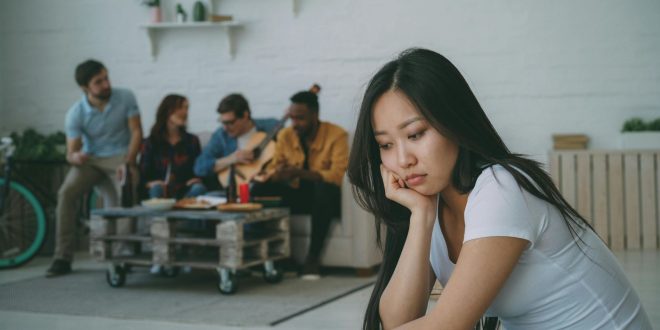
A child rights advocate has said that banning children from social media completely could create more problem. Likewise, they have cited a similar law that was passed in Australia that had a rather unfortunate result.
“While we recognize the intention of the bills filed seeking to ban children’s access to social media, we believe that a blanket social media ban is not the solution.” Au Quilala said.
Quilala is a CRN Convener and Executive Director of the Philippine Legislators’ Committee on Population and Development (PLCPD).
“CRN believes that what should be prioritized is making the online environment safer and the social media less addictive by design,” she said.
The group has asked instead of regulations to safeguard children from harmful social media features like visibility in public results, infinite scroll, late-night notifications, and algorithms that push content designed to drive long engagement, such as rage bait content.
In Australia, the group said, the ban did not stop children use but rather they found ways around the rules – sometimes with the help of their own parents – which is more harmful.
In circumventing the ban, children has to find ways over age verification tools which pushes greater risk into children – or find alternative platforms. Changing age to legal leaves fewer protections, less regulations and harder to monitor – pushing children into riskier digital spaces.
“What this shows is that the law is not fully working in practice. If the Philippines follows the same approach as Australia, it could end up with a law that looks strict on paper, but widely ignored in reality,” Quilala said.
Australia’s ban had resulted in the removal of 4.8-million accounts of those under 8. However, seven in 10 children still have social media accounts – and one third of parents had reported willingness to help their children circumvent the ban.
CRN recommends online safety lessons such as family development sessions, parent effectiveness services, and parent-teacher association in schools to teach children, young people, and parents how to use the internet safely.
“Children should not be blocked from the digital world. They should be able to access it safely in ways that are appropriate to their age,” Quilala said.
She underscored that as a State Party to the Convention on the Rights of the Child, “the Philippines is bound by law to uphold the rights of children to survival, development, protection, and – especially in case of the proposed social media ban – participation.”
Sources: Facebook, Manila Bulletin