 RRSS News Online Newspaper ng mga Pinoy

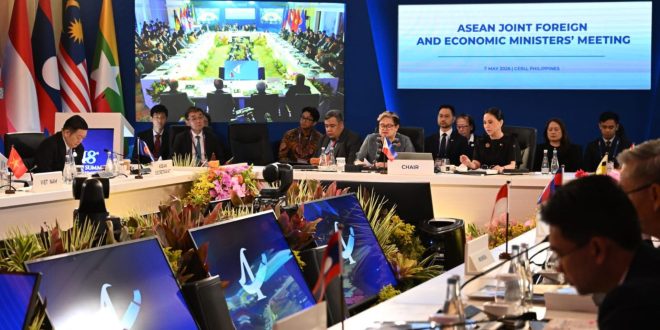
ASEAN countries have called for stronger crisis coordination and institutional readiness as the region continues to face the impact of the Middle East war which caused oil crisis.
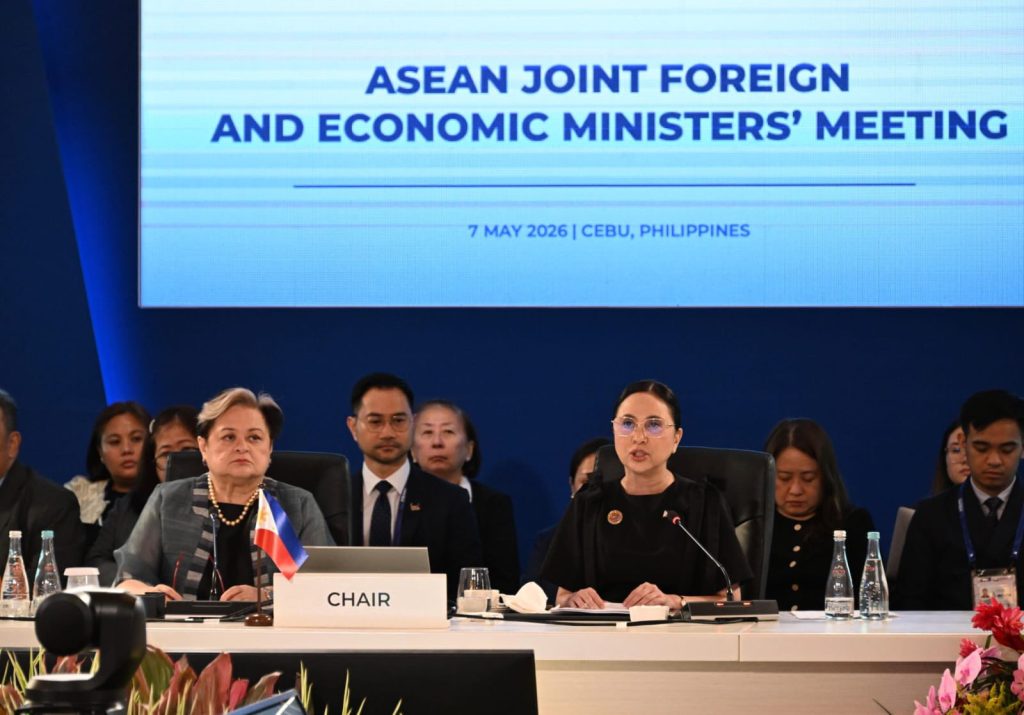
“Our discussions at the Special Meetings have pointed out that ASEAN needs to strengthen our crisis coordination and institutional readiness in times of crises,” Foreign Affairs Secretary Ma. Theresa P. Lazaro said.
Lazaro has likewise shared the need to act with urgency, close coordination, and collective response amids the emerging challenges.
University of the East political science professor Eric Daniel C. de Torres, meanwhile, suggested resource-sharing initiatives to ensure regional economic stability.
“The chair can propose among others regional oil sharing, green technology transfer and renewable energy as this also magnified the dependency of most member states towards oil importation.”
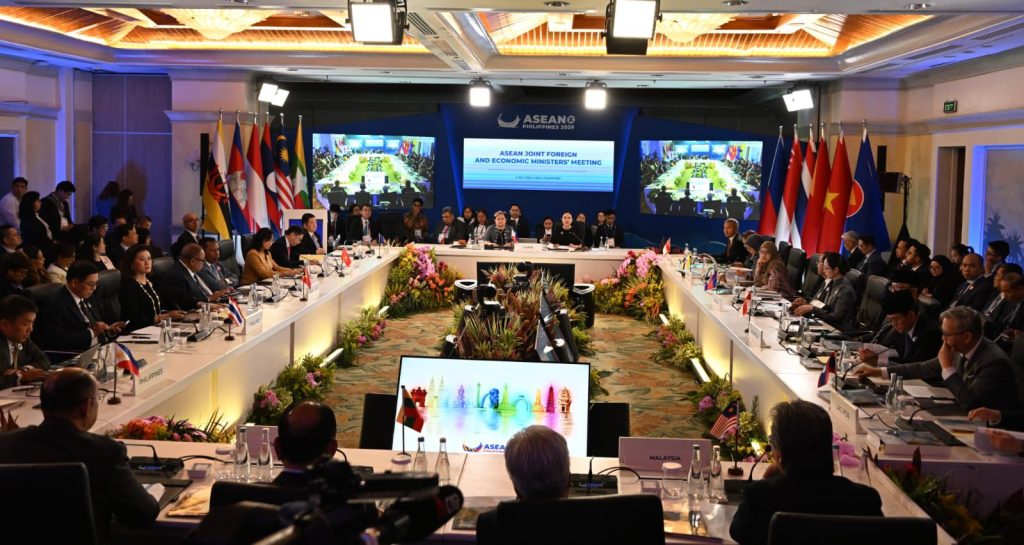
The 48th meeting of the members of the Association of Southeast Asian Nations (ASEAN) is ongoing in Cebu, May 5-9, seeking to address regional security, economic integration and disaster resilience.
The member states has likewise called for “the safe, unimpeded and continuous transit passage of vessels and aircrafts in straits used for international navigation,,” that is after the Strait of Hormuz has bee largely bottled up since US-Israeli strikes on Iran began on February 28.
Similarly, there are proposals for the expansion of the ASEAN power grid, shift to renewable energy, and exploration of nuclear power – as the nations look for ways towards greater energy independence.
There are also discussions on cybersecurity threats brought by use of artificial intelligence, transnational crimes, and maritime security cooperation.
Likewise, the Philippines and Vietnam agreed to work on long-term rice trade mechanism to secure stable supply arrangements and bolster regional food security.
Sources: ABS-CBN News, Business World, Greenwich Time