 RRSS News Online Newspaper ng mga Pinoy

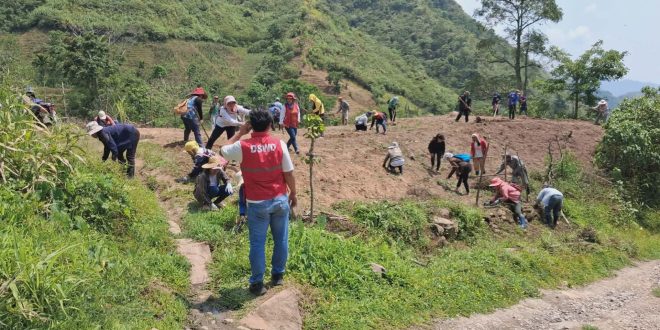
The Philippines’ social welfare department is pushing for stronger climate change preparedness and food security as it implements the 2026 Project LAWA at BINHI.
DSWD Region 2 has said that the implementation of the program in Ambaguio, Nueva Vizcaya, has started April 20-21, 2026.
Within two days, partner beneficiaries have undergone training on climate change adaptation and mitigation, disaster risk reduction, and other technical skills on communal gardens and small farm reservoirs.
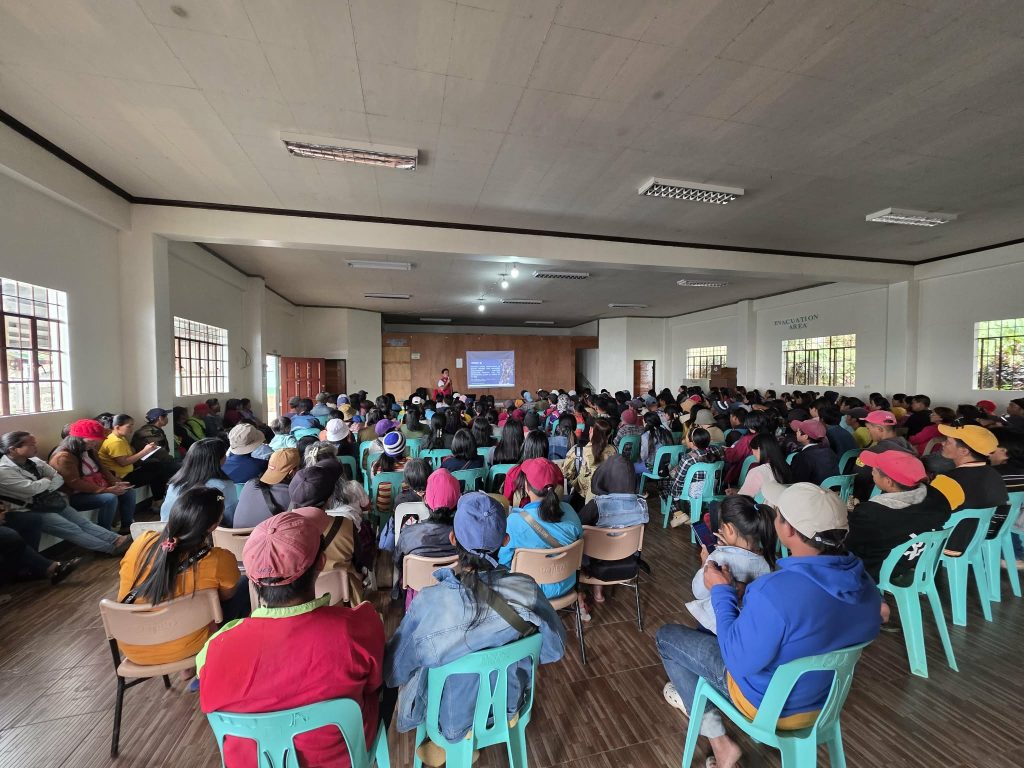
Beneficiaries referred here are composed of 250 individuals engaged in farming, fishing, and other industries. They received assistance under cash-for-training program of the agency.
The training activity served as social preparation to provide valuable knowledge and prepare them for the 17-day cash for work phase.
“Bahagi ng aktibidad ang pagsisimula ng dalawang araw na Cash-for-Training (CFT) para sa 250 partner beneficiaries na naglalayong palakasin ang kahandaan ng mga komunidad laban sa epekto ng climate change at food security sa pamamagitan ng mga preventive at capacity-building interventions,” an FB post from DSWD said.
The start of the program implementation led by DSWD-Risk Resilience Program team was attended by several partner agencies: Municipal Social Welfare and Development Office, Municipal Agriculture Office, Municipal Environment and Natural Resources Office, and Municipal Disaster Risk Reduction and Management Office.

DSWD has underscored the importance of the Project LAWA at BINHI “upang matiyak na ang mga kalahok ay hindi lamang makatatanggap ng pansamantalang kita, kundi magkakaroon din ng mga kaalamang magagamit para sa pangmatagalang seguridad sa pagkain at kabuhayan.
In Gattaran, Cagayan, meanwhile, the Sangguniang Bayan members have conducted a joint committee hearing to institutionalize the project.
DSWD have emphasized the importance of the program so communities have lifelong livelihood and proper action on advancing environmental initiatives.

Local officials, on one hand, have emphasized on strong partnership as key driver to the success of community-based programs.
“For the local government, the move forms part of a broader effort to provide more stable and long-term opportunities for its constituents.”