 RRSS News Online Newspaper ng mga Pinoy


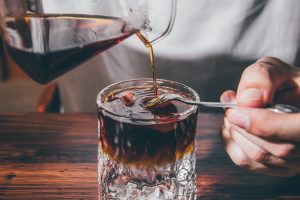
The scorching heat makes us feel hydrated heavily with water, and when on the streets, the popular refreshment for Filipinos are what we call samalamig or palamig.
Palamig refers to refreshments that are commonly sold by street vendors as refreshments, which usually include jelly-like ingredients. Popular items include buko juice, pineapple juice, sago’t gulaman, and classic black gulaman.
However, in a recent study by the University of the Philippines Manila College of Public Health, it was revealed that liquid samples from tested palamig contains antimicrobial-resistant bacteria carrying ESBL genes.

Further, it exceeds allowable bacteria limits for powdered beverages and potable water. The bacteria found are linked to infections that may no longer respond effectively to commonly-used antibiotics.
The antimicrobial resistance bacteria is considered one of the global public health threats.
Meanwhile, the Manila City Government has laid out a multi-point action plan in response to the findings – including reinspection and will now require vendors to use certified potable water and ice from approved suppliers only.
“Pupuntahan po namin uli ang 12 sites na nasama sa study, and we will be conducting again the inspection of this samalamig stall,” City Health Officer Dr. Grace Padilla said.
“We will require vendors to use certified potable water and approved ice supplier, hindi lang ‘yung basta-basta,” she added.
They have also announced mandatory vendor hygiene training program which covers handwashing, safe food handling and proper cleaning of containers.
Manila CHO will likewise strengthen its licensing system for food vendors, requiring submission of water potability re-certification on top of existing sanitary permits.
They added that their health personnel will conduct sampling on-site rather than requiring vendors to go to public health laboratory through their own Water Analysis Laboratory. CHO said they are offering it for free.
Sources: Manila PIO, radar.ph